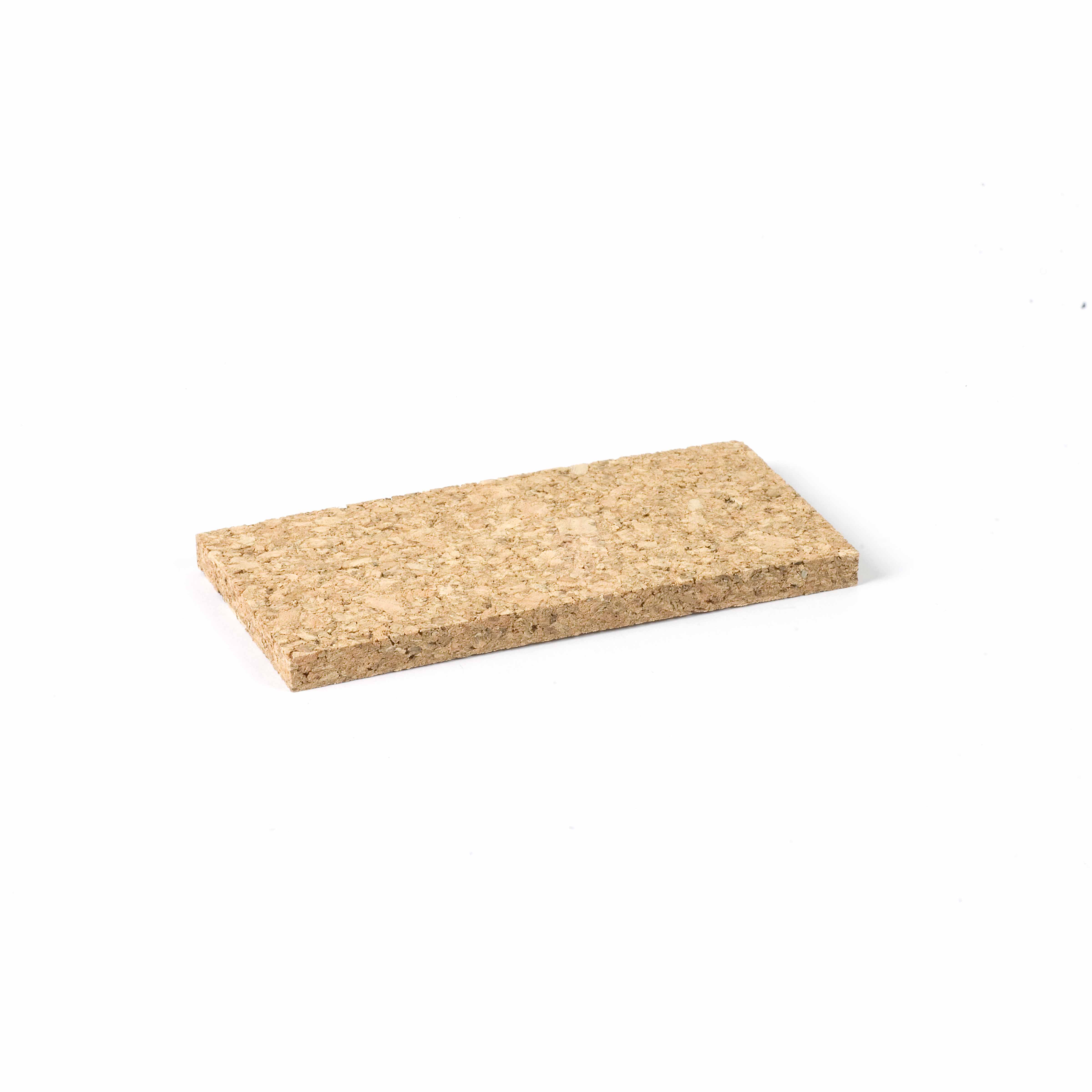
The Thermic Tablets: Cork Tablet (1) is a Sensorial Montessori material designed for children aged 3-6, crafted by Nienhuis Montessori to AMI standards.
This cork thermic tablet is part of the Montessori thermic tablets material, designed to develop thermal discrimination through touch. The natural cork material provides a unique thermal property that feels warm to the touch, contrasting with tablets made from other materials. Children explore temperature differences by touching and comparing tablets, refining their tactile perception and building vocabulary for thermal sensations.
“The senses, being explorers of the world, open the way to knowledge.”— Maria MontessoriThe Discovery of the Child
“Children display a universal love of mathematics, which is par excellence the science of precision, order, and intelligence.”
— Maria Montessori, The Discovery of the Child
The cork thermic tablet represents one essential component within the complete thermic tablets set, offering children a concrete way to explore temperature perception through direct sensory experience. Cork's natural warmth when touched provides a distinct thermal quality that children can perceive and compare against other materials in the full set. Through touching and handling the cork tablet, young learners develop their capacity for thermal discrimination—a refinement of the tactile sense that requires focused attention and repeated exploration. The cork tablet's specific warmth creates memorable sensory impressions that children can classify and name, building precise vocabulary for describing temperature variations. As children work with the cork tablet alongside its companion pieces, they construct mental categories for thermal properties, preparing their minds for later understanding of heat transfer and material properties in science.
Each order includes everything needed for proper presentation and long-term use.
Follow the Montessori method of presentation for optimal child development.
Invite the child to feel the cork tablet with their dominant hand, placing their palm flat against the surface
Introduce vocabulary: 'This feels warm' while touching the cork surface
Offer the cork tablet to the child, allowing them to explore its thermal quality
If available, present a contrasting tablet (metal or stone) for comparison
Invite the child to close their eyes and identify the cork tablet by touch alone
Every material is carefully selected for durability, safety, and authentic Montessori experience.
Cork's unique cellular structure creates air pockets that provide natural insulation, making it feel warm to touch. This sustainable material introduces children to nature's thermal properties.
Each material supports multiple areas of child development simultaneously.
Develops ability to perceive and differentiate temperature variations through careful touch exploration.
Strengthens tactile memory as children recall and compare thermal sensations between different materials.
Introduces concepts of heat conduction and material properties through hands-on exploration.
Builds precise language for describing thermal sensations: warm, cool, neutral, insulating.
Designed for child-sized hands
Professional tips from AMI-trained guides to maximize the educational value of this material.
“Store cork tablet at room temperature to maintain consistent thermal properties”
Clean cork surface gently with dry cloth to preserve natural texture
Observe whether children use whole palm or just fingertips—both approaches are valid
Note vocabulary children spontaneously use and introduce precise thermal terms gradually
Everything you need to know about this material.
This listing is for one (1) cork thermic tablet only. To complete the full Montessori thermic tablets set, you'll need to purchase additional tablets made from different materials such as metal, marble, glass, wood, and felt, which are sold separately.
Children touch the cork tablet with their fingertips or wrist to feel its temperature, then compare it with tablets made from other materials. The cork naturally feels warm to the touch, helping children develop thermal discrimination skills and learn vocabulary like 'warm,' 'cool,' and 'neutral.'
Cork has unique thermal properties - it's a natural insulator that retains warmth and feels warm to the touch compared to materials like metal or marble. This distinct temperature sensation helps children clearly differentiate between warm and cool materials during sensorial exploration.
Thermic tablets are typically introduced to children ages 3-6 years old, after they've worked with other tactile materials. The child should be able to handle materials carefully and have developed enough tactile sensitivity to perceive subtle temperature differences.
Keep the cork tablet clean by wiping with a slightly damp cloth if needed, then dry thoroughly. Store in a dry place away from direct sunlight or heat sources. Avoid soaking in water as cork is porous. Regular inspection ensures the tablet remains smooth and safe for children's use.
Can't find what you're looking for?
Contact Our Experts
Share your experience with this material and help other educators and parents.


