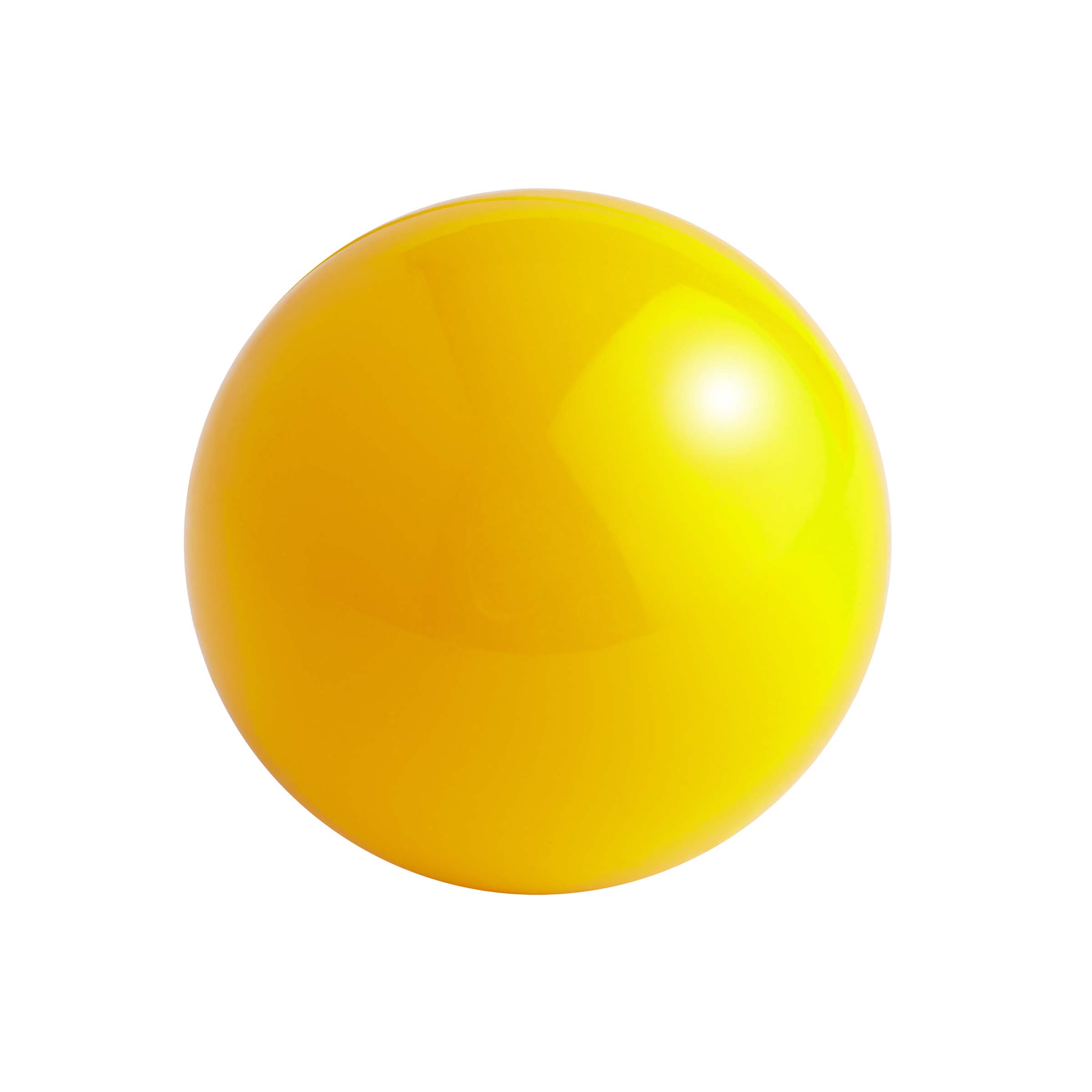
The Object Permanence Box: Plastic Ball is a Infant & Toddler (0-3) Montessori material designed for children aged 3-6, crafted by Nienhuis Montessori to AMI standards.
This smooth plastic ball is designed specifically for object permanence activities with infants and toddlers. The gradient color transitions from light to darker tones create visual interest while the reflective surface catches and holds young children's attention. Perfect size for grasping and dropping through object permanence boxes, supporting the crucial understanding that objects exist even when out of sight.
“Free the child's potential, and you will transform him into the world.”— Maria MontessoriTo Educate the Human Potential
“Education is a natural process spontaneously carried out by the human individual, and is acquired not by listening to words but by experiences upon the environment.”
— Maria Montessori, Education for a New World
The Object Permanence Box with Plastic Ball addresses a fundamental cognitive milestone in infant development - understanding that objects continue to exist when hidden from view. This gradient-colored plastic ball serves as the perfect first object for permanence work, its smooth surface and ideal weight allowing infants to grasp, release, and track its disappearance through the box opening. The ball's reflective surface and color transition from light to dark specifically engage the infant's developing visual discrimination while the dropping action satisfies their need for repetitive movement. In Montessori infant environments, this plastic ball becomes the bridge between the visible and invisible world, as young children discover through repeated trials that the ball reappears in the tray below. The simplicity of one ball, one hole, and one outcome isolates the concept of object permanence without overwhelming the infant with multiple variables or complex mechanisms.
Each order includes everything needed for proper presentation and long-term use.
Follow the Montessori method of presentation for optimal child development.
Sit beside the infant and slowly pick up the ball, allowing them to observe your movements
Hold the ball above the hole, pause to build anticipation, then release
Show delight when retrieving the ball from the tray
Offer the ball to the infant and wait for their attempt
When infant drops ball successfully, pause before retrieving to extend the permanence experience
Each material supports multiple areas of child development simultaneously.
Supports understanding that objects continue to exist when hidden from view, a fundamental cognitive milestone.
Grasping and releasing the ball develops precise hand movements and visual tracking skills.
Dropping the ball and watching it disappear teaches early concepts of actions and consequences.
The gradient colors and reflective surface encourage following objects with the eyes, strengthening visual development.
Designed for child-sized hands
Professional tips from AMI-trained guides to maximize the educational value of this material.
“Observe for readiness signs like sitting independently and showing interest in hiding games before introducing”
Keep only one ball available initially to prevent overwhelm and maintain focus
Position yourself at infant's eye level during demonstrations for better engagement
Document progression from accidental drops to intentional placement for parent communication
Everything you need to know about this material.
The ball is specifically sized for infant hands to grasp comfortably, typically around 4.5-5cm in diameter. It's made from smooth, non-toxic plastic that meets safety standards for infant materials, with no small parts or choking hazards.
Yes! While designed for object permanence boxes, this ball is versatile for rolling activities, grasping exercises, and tracking games. The gradient colors and reflective surface make it engaging for tummy time and visual tracking development.
This ball is specifically weighted and sized for smooth dropping through object permanence box holes. The gradient coloring helps maintain visual interest, while the reflective surface provides sensory feedback that regular matte balls don't offer.
Most children are ready around 6-8 months when they can sit independently and grasp objects. However, some may show interest as early as 4-5 months for visual tracking, continuing through 18 months for more complex permanence activities.
Simply wipe with a damp cloth and mild soap, then dry thoroughly. The smooth plastic surface resists bacteria buildup. Avoid harsh chemicals or dishwashers which might damage the gradient finish or reflective properties.
Can't find what you're looking for?
Contact Our Experts
Share your experience with this material and help other educators and parents.

